Façade Engineering vs Architecture – Understanding the distinct but complementary roles

Façade Engineering vs Architecture

1. The Core Distinction

Architecture Façade Engineering
Concerned with form, space, aesthetics, and user experience Concerned with technical performance, safety, and buildability of the building skin
Defines what the building looks like — material palette, proportions, geometry Defines how the façade system works — loads, drainage, thermal performance, fixings
Produces concept designs, elevations, planning drawings Produces engineering calculations, system drawings, material specifications, BIM models
Regulated by CoA (Council of Architecture) in India Engineers regulated by Institution of Engineers (India)
Leads the overall design team Acts as specialist sub-consultant to the architect and developer
May specify façade materials at a high level Provides detailed specification, performance criteria, and technical compliance
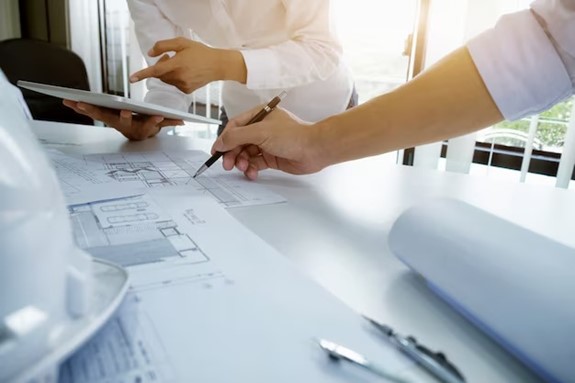
🤝  Working Together At EnvelopeTechnik, we work as an integrated extension of the architectural team. Our involvement begins at schematic design so that engineering reality informs architectural decisions from the start, preventing costly changes later.

2. When Do You Need Both?

Project Type Architect Needed? Façade Engineer Needed?
     
Simple house / low-rise building Yes Unlikely — standard systems apply
Mid-rise commercial building Yes Recommended for complex glazing or cladding
High-rise tower (>20 floors) Yes Essential — wind loads, thermal performance, complex systems
Airport / Large Public Building Yes Essential — specialist systems, public safety, testing required
Façade peer review / forensics Not always Yes — independent specialist review
Building restoration Sometimes Yes — façade-specific assessment and remediation

3. Real-World Example — DLF Privana, Gurgaon

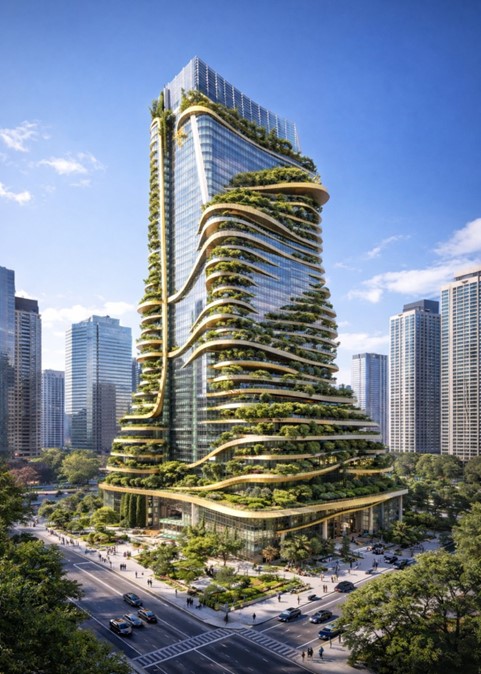
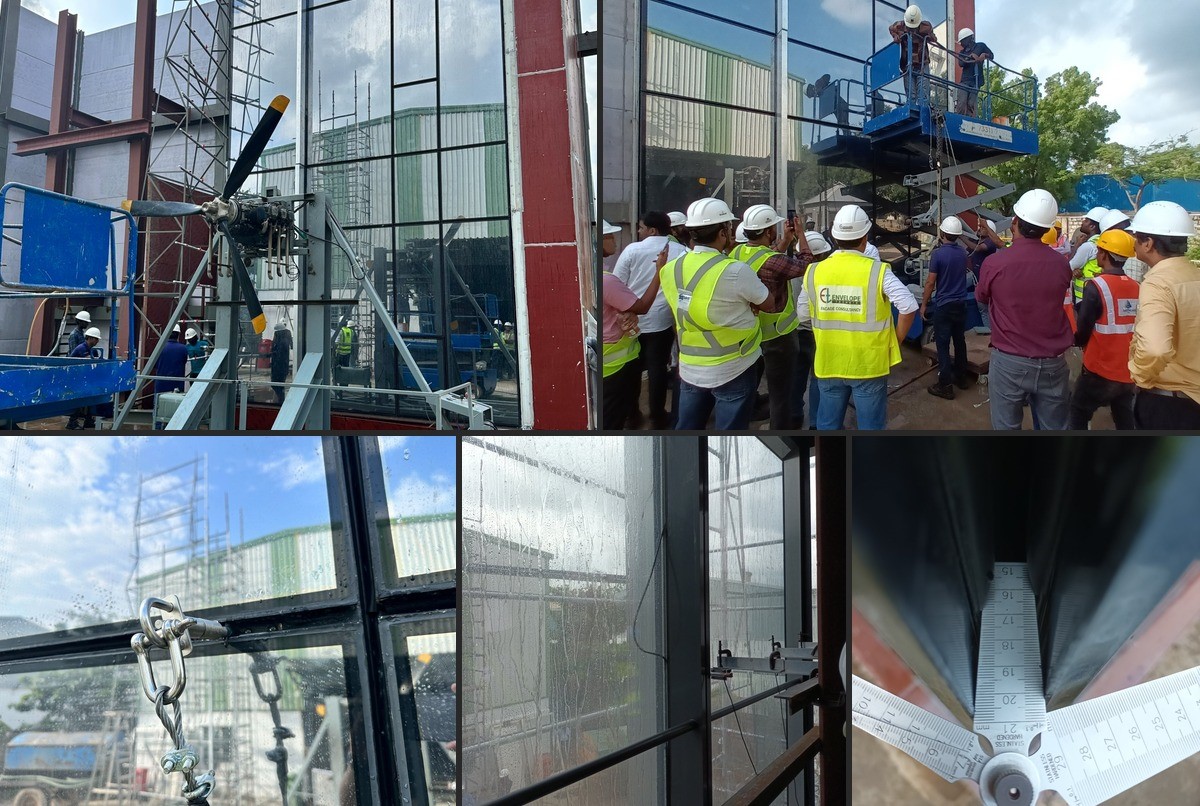
🏢  Project Spotlight On this premium high-rise residential project by DLF, the architect defined the building’s striking glass and metal aesthetic. EnvelopeTechnik engineered the façade system to meet stringent wind load requirements for the NCR region, optimised thermal performance for north Indian climate, coordinated the BIM model, and supervised mock-up testing — all while preserving the design vision.

4. Common Misconceptions

Misconception Reality
‘The architect can design the façade’ Architects can specify façade intent, but the technical engineering of complex systems requires a specialist — calculations, fixings, drainage, fire performance
‘The structural engineer covers the façade’ Structural engineers design the building frame. Façade engineering is a distinct discipline — different loads, systems, materials, and standards
‘Only needed for iconic buildings’ Any building with a façade value above ₹10 Cr or with complex system requirements benefits significantly from a specialist
📞  About EnvelopeTechnik EnvelopeTechnik Consultancy LLP — Hyderabad & Bangalore, India. www.envelopetechnik.com  |  contact@envelopetechnik.com  |  +91 99129 88116